Safe medication disposal for the elderly & their caregivers

For many, taking medication is an increasingly important part of life. But getting rid of old medication can be a bit of a gray area. Flush? Trash? Recycle? What are the risks? What’s the right way?
Audience
Elderly patients or caregivers struggling with proper medication disposal
Responsibilities
Instructional Design, eLearning development, storyboarding, action mapping, visual & graphic design
Deliverables
Outline, storyboard, wireframe, eLearning course, job/home aid
Tools
Articulate Rise 360, Canva, Google Slides, Google Docs
Ideation
The Problem
An NIH study conducted in 2023 found that the average household has 2.2 packs of expired medication. While instructions on dosage are clear, disposal information is often lacking, leaving many patients or caregivers guessing. But the risks to improper disposal—to children, pets, and the environment—can be dire.
The Solution
A concise, character-driven course that puts learners in the shoes of a daughter, Sarah, helping her mother, Sophia, dispose of expired medication. Visiting for the weekend, Sarah decides to research the problem rather than just toss the medication out. She discovers the dangers of improper disposal, and the proper methods to ensure safe disposal.
Development Process
This project began on a personal level: I was helping my father manage his medication and realized I didn’t know what to do with his expired prescriptions. I asked colleagues and family to complete a short survey, saw the need based on a gap in knowledge, and set out to create a quick course to solve it.
Analysis began with researching statistics on expired medication in the average household, the dangers of improper medication disposal, and the FDA and CDC guidelines on safe disposal. After careful research, and speaking with two SMEs in the healthcare field, the learning objectives began to emerge:
• Understand the risks of improper disposal
• Identify (and choose) FDA-approved methods for proper disposal of different medications
• Locate and access local resources for medication disposal
With the learning objectives defined, I began storyboarding the course with a “block” outline in Google Docs, something I came up with for easier development in Rise 360. I divided the course into three primary modules: Why Proper Disposal Matters, Best Practices for Safe Disposal, and Review & Resources. I developed the content for each module, doing additional research as necessary, and considering how to best frame the narrative. I decided my own experience—a child helping a parent with medication—would suit best to drive the content home in a poignant, relatable way.
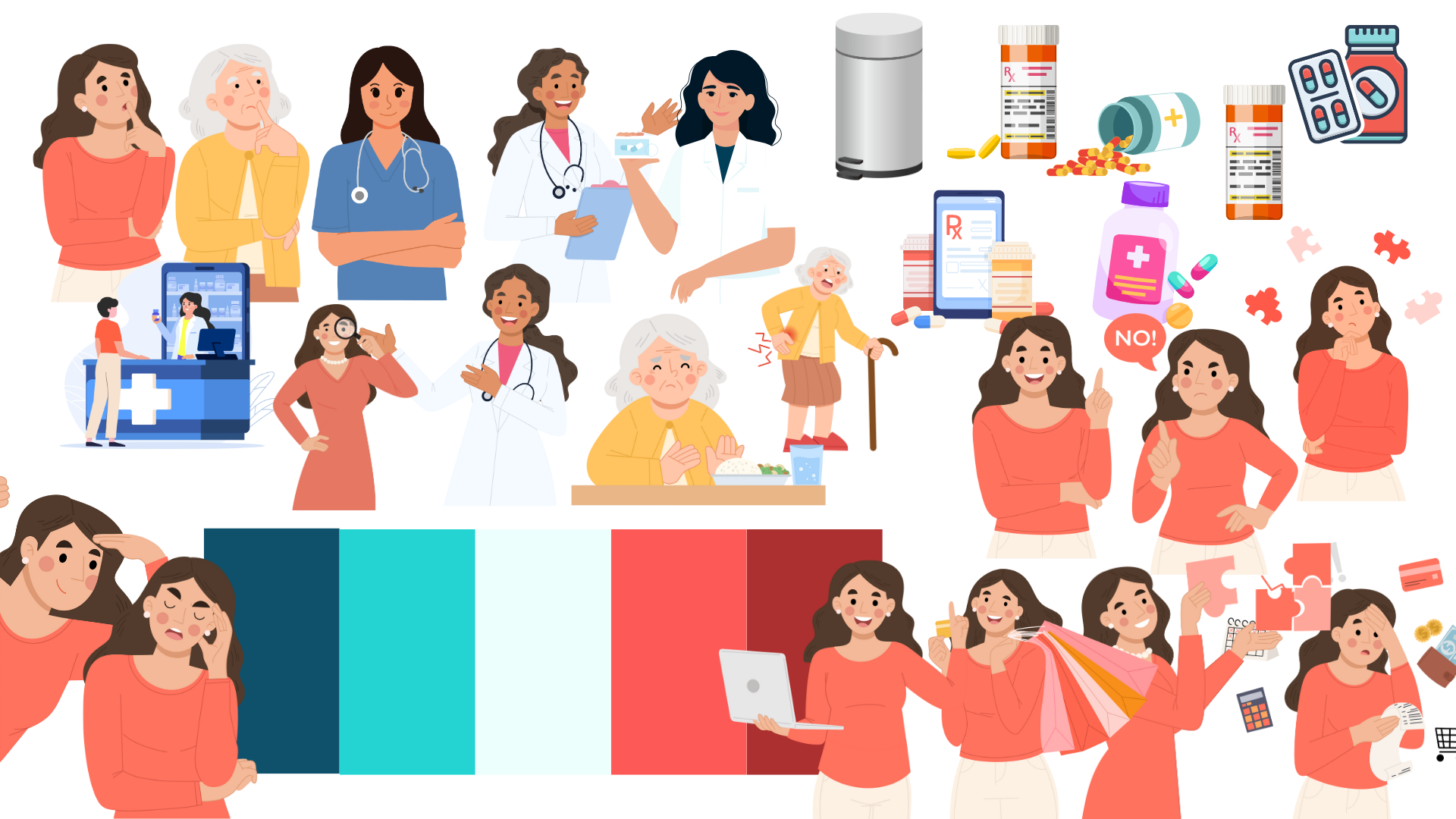
With the text content in place, I began work in Canva to design the look and feel of visuals. I designed characters, backdrops, and the opening video. Next came finalizing dialogue and creating accompanying audio, generated using the AI voices in Storyline.
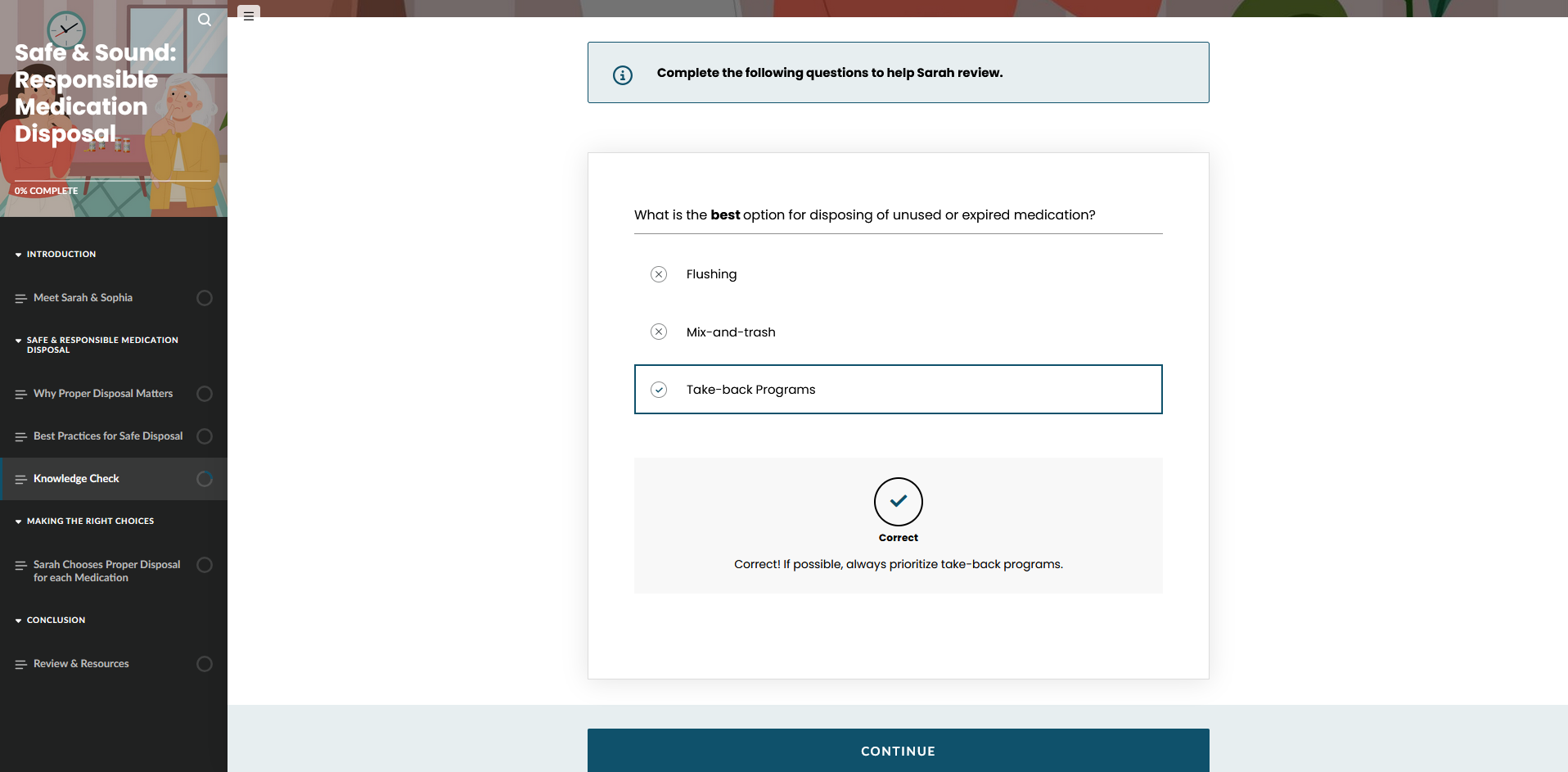
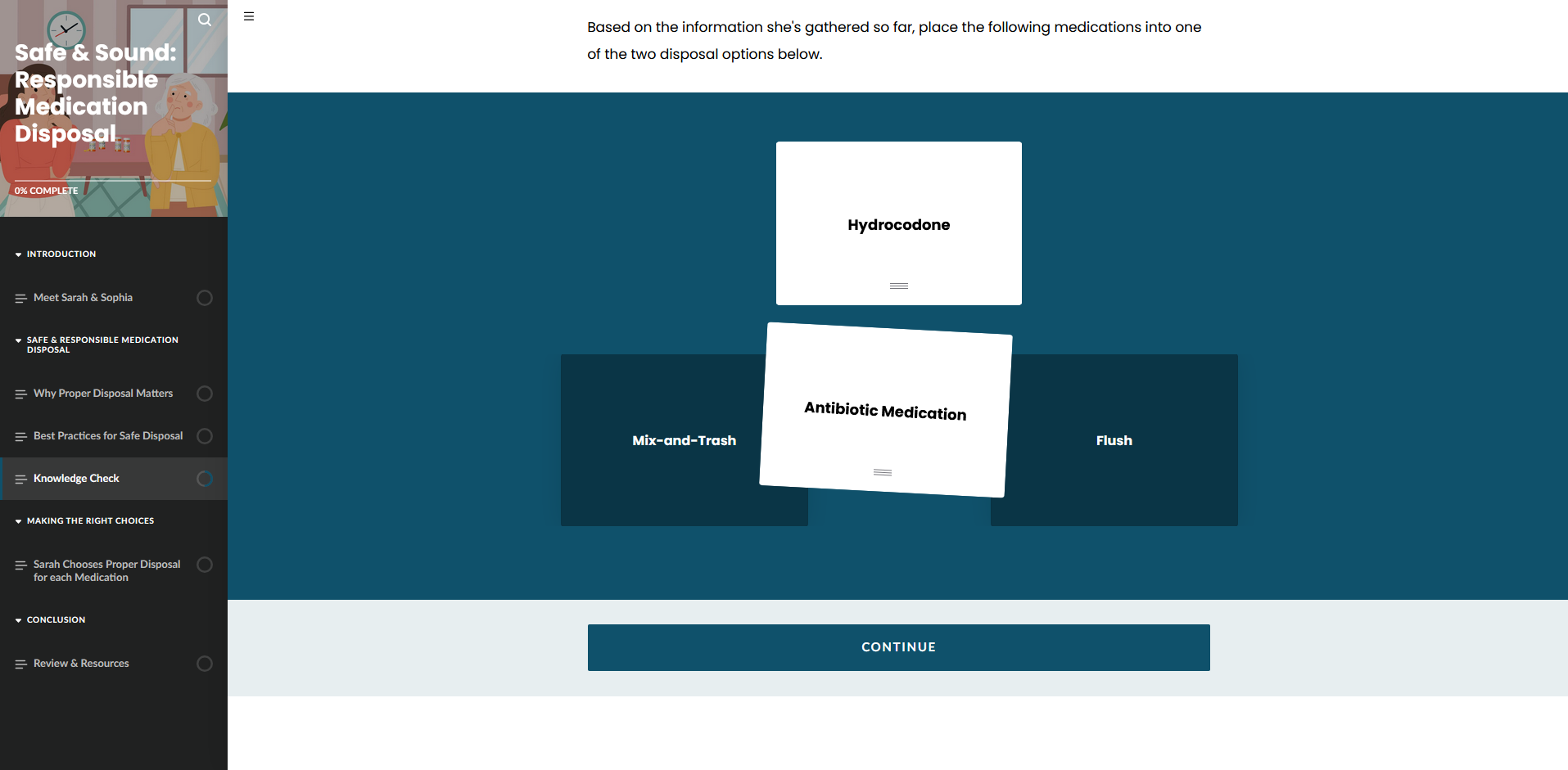
Considering the nature of the content—different disposal methods for different medications—I settled on a drag-and-drop sorting activity as the closest mirror to the real-world problem learners might find themselves in. I also wrote simple quiz questions in the “Knowledge Check” section.
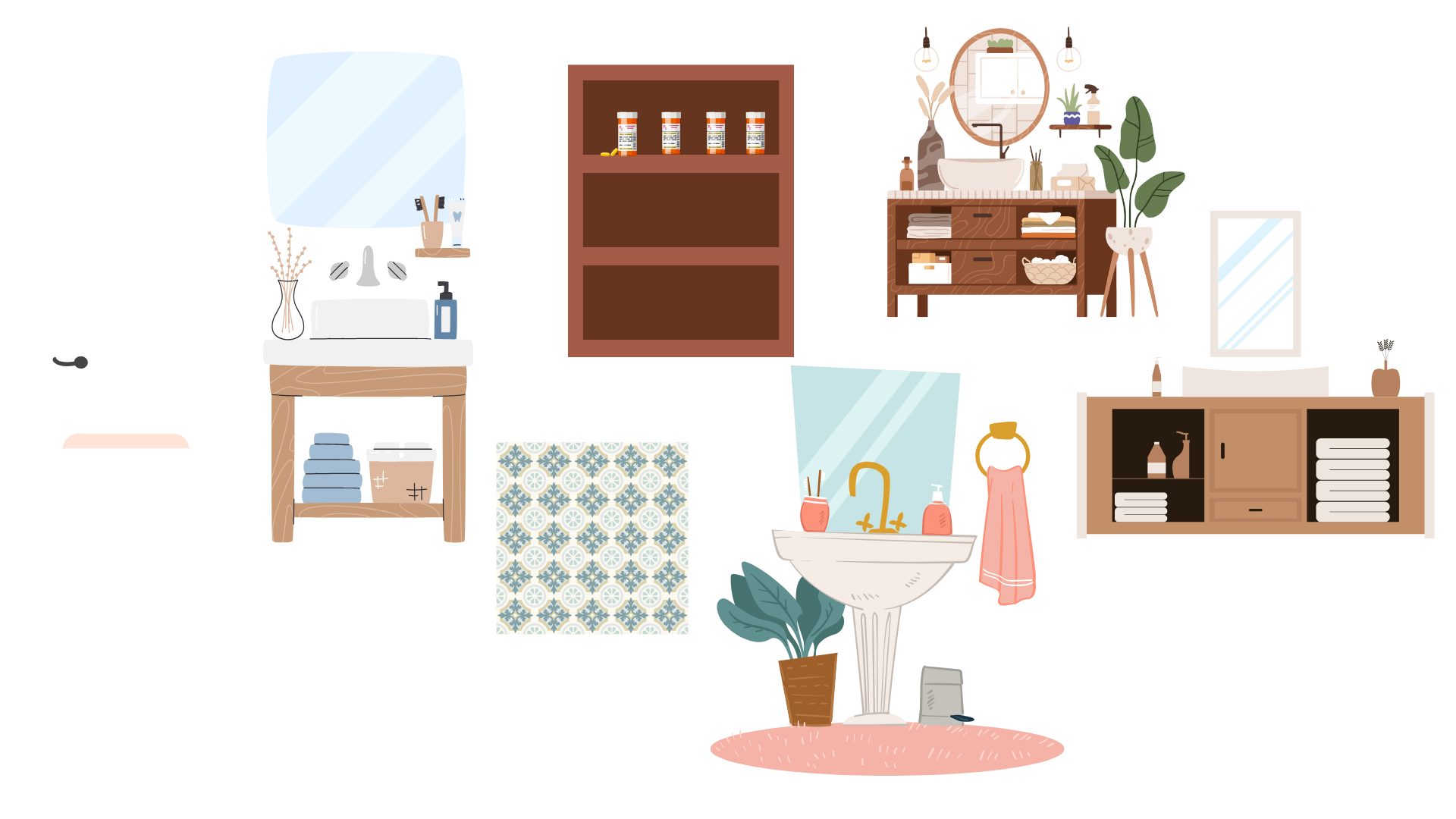
With the storyboard complete and visuals created, I jumped into Rise and began development. I felt that, since the learning objectives were concise and content brief, Rise made the most sense. I developed each module with the blocks I chose in the outline, experimenting with different blocks for a better delivery or more consistent look and feel, and made a few changes.
I integrated the graphics from Canva into Rise, cropping or making additional images as needed. Text changed little; I wrote titles and subtitles for the sections in each module, ensuring a smooth narrative flow. Next came developing the interactive, drag-and-drop activity, a core part of the experience. I added the assessment questions in the knowledge check, and added some additional resources to the final module.
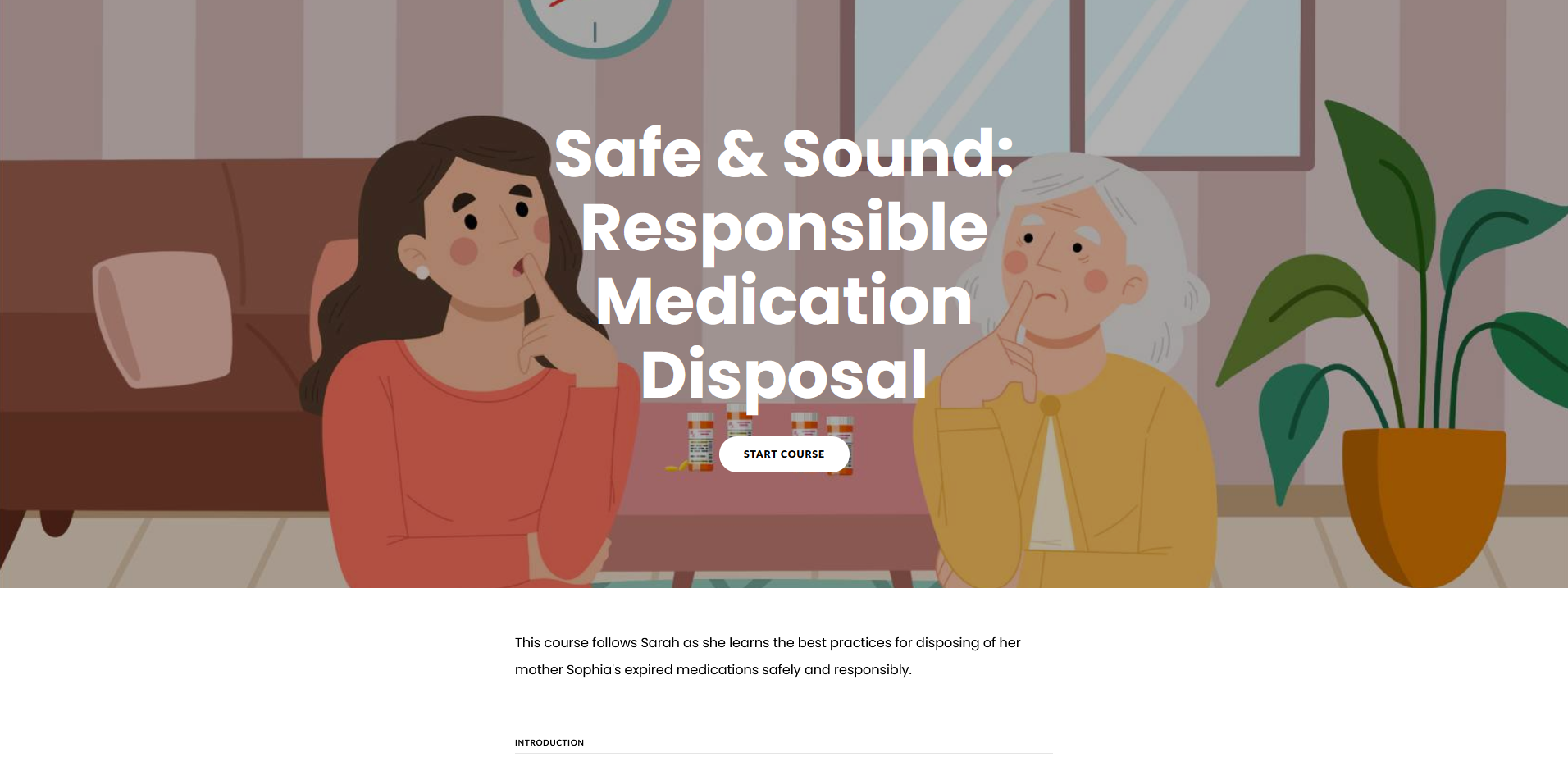
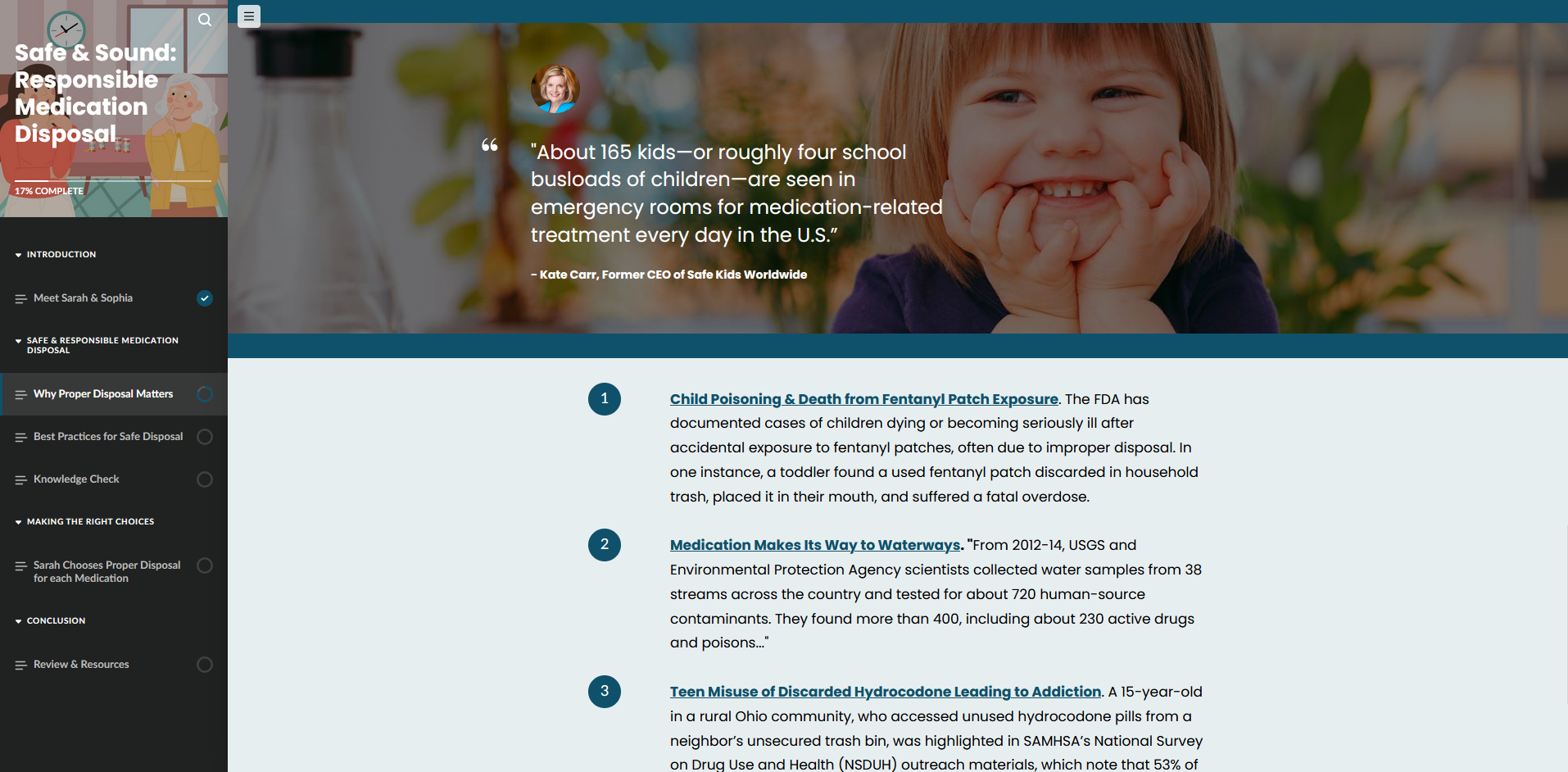
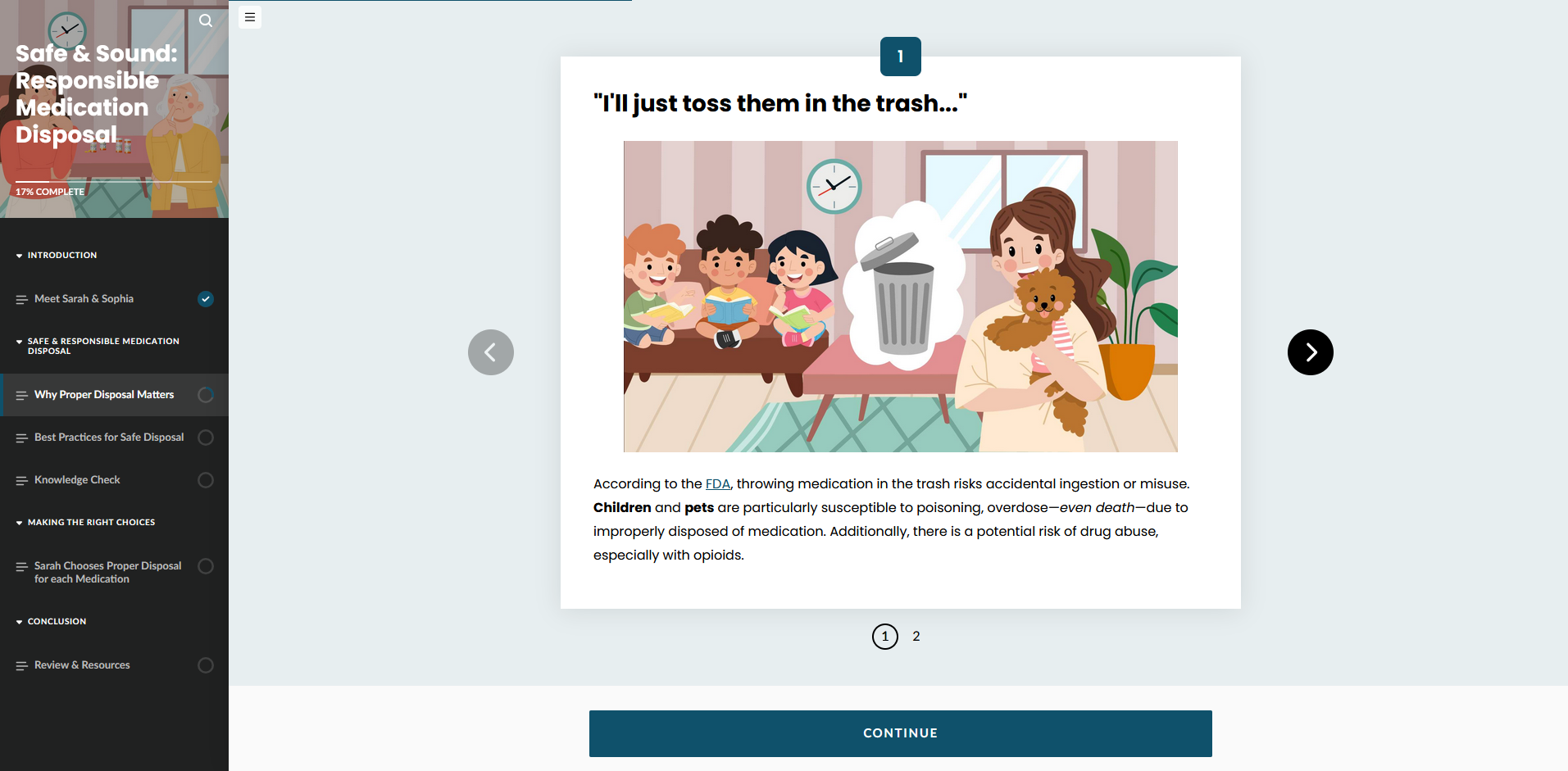
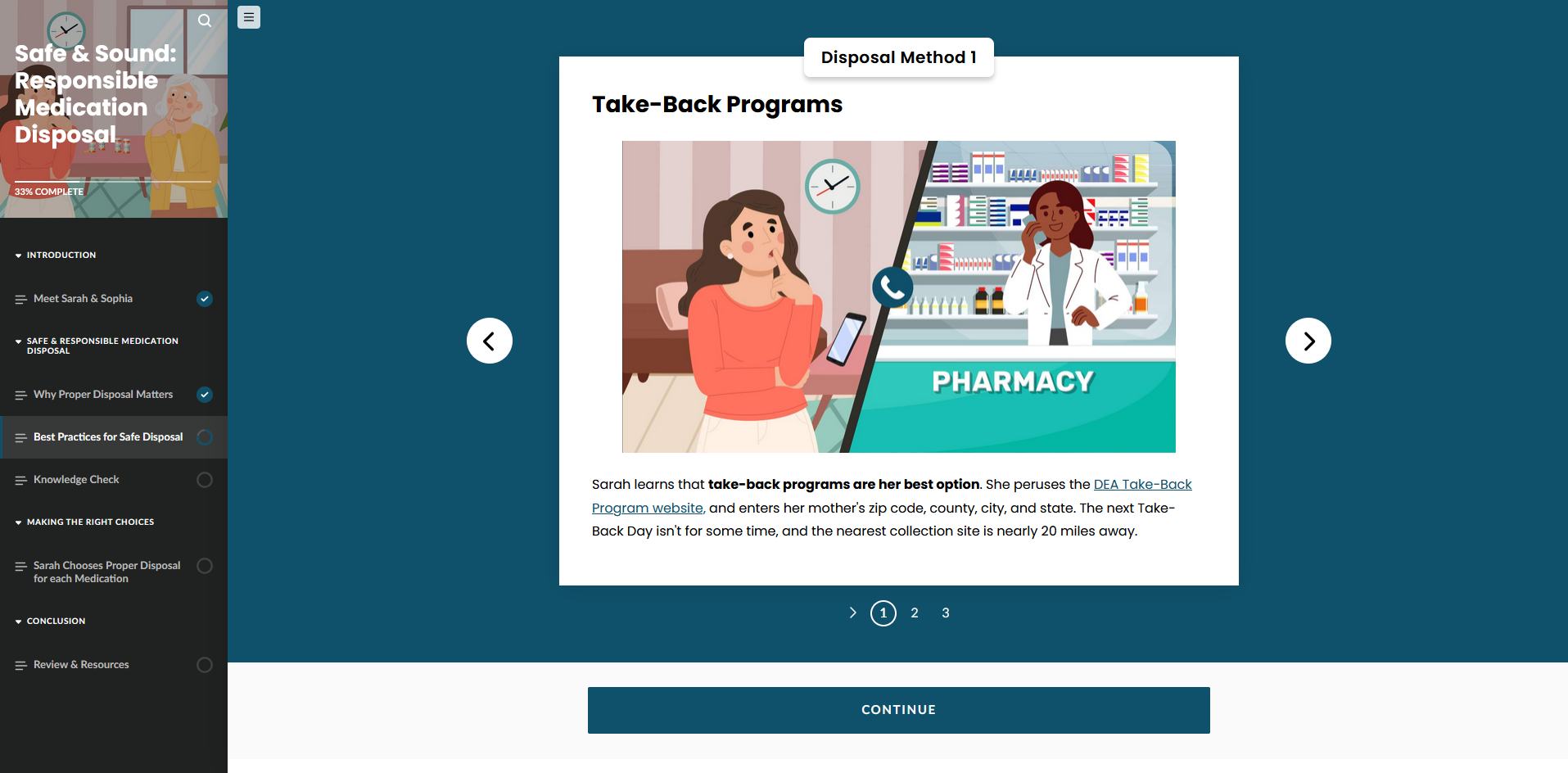
I deployed the course on Netlify, exporting to HTML rather than SCORM or xAPI, for ease of access to public learners. The course functioned smoothly, so no technical adjustments were made after the initial upload.
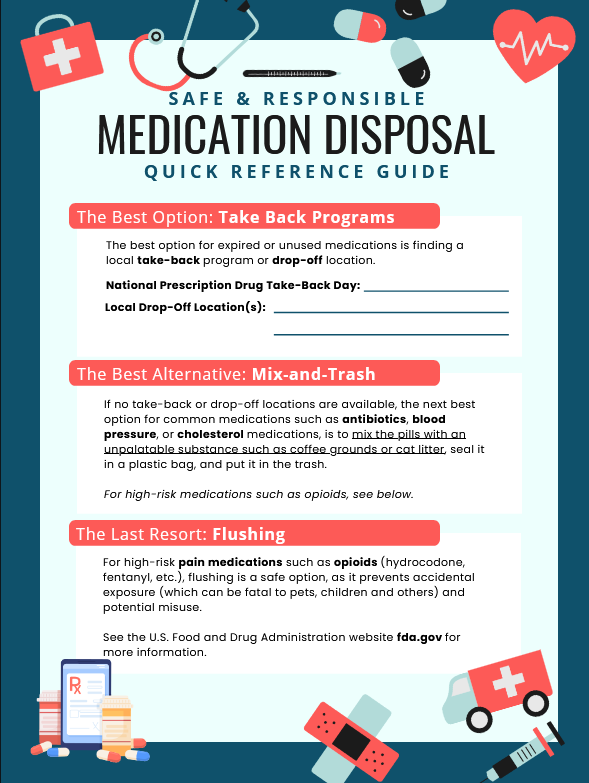
I first shared the course with the two healthcare SMEs I consulted in the analysis phase, and after getting a green light there, shared the course with a larger focus group, including my father, who printed the home aid and taped it to the interior of his kitchen cabinet where he stores his medicine. Feedback was positive, although if I were to develop a future iteration, I’d make some adjustments to the visuals in the first module. Overall, learners were satisfied and many downloaded the Home Aid PDF.
Evaluation begins with key questions:
• Did learning take place?
• How do we know?
• Has it changed real-world behaviors?
In order to find out, I reviewed the analyzed quiz question answers, read focus group feedback on the downloadable PDF, and conducted a short post-course survey.
The data showed that learners felt they had a better grasp on proper medication disposal. The PDF guide garnered a positive response, though some learners felt it could be simplified even further. I reworked it to focus on the key points reflected in the course.